Beyond the Rub: Massage vs. Sports Therapy
Massage therapy and sports therapy both center on hands‑on care, but their goals, methods, and outcomes differ in meaningful ways. Massage therapy primarily aims to promote relaxation, relieve muscle tension, and support overall well‑being through various soft tissue techniques, while sports therapy focuses on preventing, balancing, and rehabilitating sports‑related injuries and optimizing athletic performance. Understanding these distinctions matters because choosing the right approach ensures targeted care, better recovery outcomes, and long‑term injury prevention. Incorporating sports therapy schedules into regular training showcases how structured interventions and exercise plans accelerate healing and strengthen resilience. Below, we explore the unique characteristics, real‑world applications, challenges faced by all individuals, basic injury‑prevention exercises, and dietary recommendations that underpin both disciplines.
Massage therapy encompasses a spectrum of techniques—from Swedish to deep tissue—designed to manipulate soft tissues and enhance circulation. Swedish massage employs long, gliding strokes and kneading to relax superficial muscles and improve blood flow, making it ideal for stress relief and general soreness. Deep tissue massage targets deeper layers of muscle and connective tissue to alleviate chronic tension and pain, often using sustained pressure to break up adhesions. While sports massage falls under the massage therapy umbrella, it integrates more vigorous modalities—such as trigger point release, stretching, and rhythmic compression—to prepare athletes for competition and aid in post‑event recovery.
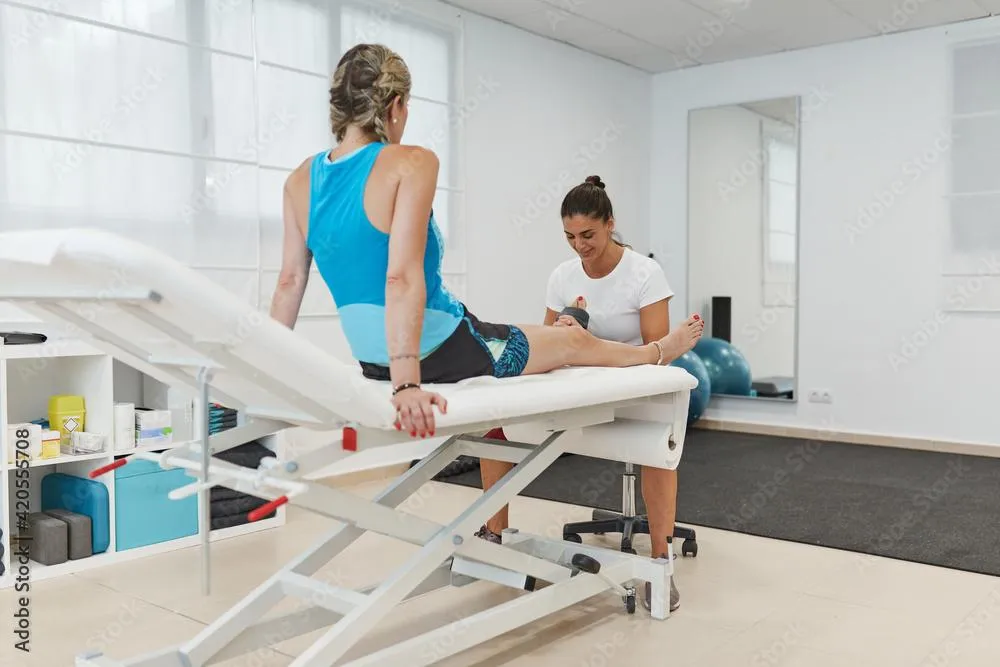
By contrast, sports therapy is a specialized branch of therapy grounded in injury prevention, performance enhancement, and rehabilitation. A typical sports therapy session begins with a thorough biomechanical assessment, followed by hands‑on treatments—such as manual mobilizations and myofascial release—paired with corrective exercise prescriptions to restore function and prevent re‑injury.
Pain and injury are universal experiences, whether you’re a weekend warrior or a professional athlete. Common ailments encountered include lower back pain from repetitive lifting, rotator cuff strains in overhead athletes, and patellofemoral pain syndrome in runners. Beyond physical discomfort, injuries bring emotional and financial hardships—missed work, disrupted routines, and anxiety about performance setbacks. Both massage and sports therapy address these challenges, but sports therapy’s emphasis on active rehabilitation equips individuals with tools to manage pain independently and return to their activities safely.
Preventing injuries starts with simple, foundational exercises that anyone can perform. Core stabilization drills, like front planks and bird‑dogs, enhance spinal support and reduce risk of lower back strain. Glute‑bridge variations strengthen the posterior chain—critical for runners and weightlifters—while dynamic calf stretches improve ankle mobility and guard against Achilles tendinopathy. Incorporating these exercises into a daily 10‑minute warm‑up bolsters tissue readiness and diminishes the likelihood of overuse injuries.
In practice, choosing between massage and sports therapy depends on your goals and needs. If you seek relaxation, stress reduction, or general muscle maintenance, massage therapy offers soothing benefits that promote wellness and comfort. However, if you’re facing a sports‑related injury, aiming to improve performance, or needing a structured rehabilitation plan, sports therapy provides targeted interventions and educational support to get you back on track.
Ultimately, both modalities share a commitment to hands‑on care and improved movement, but sports therapy’s comprehensive, evidence‑based approach makes it indispensable for athletes and active individuals confronting injury challenges. By integrating regular massage sessions for maintenance and scheduling periodic sports therapy assessments, you can harness the best of both worlds—finding relief from tension while building the strength and resilience to pursue your passions without pain.
#MassageTherapy #SportsTherapy #InjuryPrevention #Recovery #Wellness
Websites:
American Massage Therapy Association: https://www.amtamassage.org
National Athletic Trainers’ Association: https://www.nata.org
Discover Massage: https://www.discovermassage.com.au
Exeter Osteopaths: https://exeterosteopaths.co.uk
Axes Physical Therapy: https://axespt.com
